Itinerary: -
Day 1 | Kandy
Welcome to Colombo! Upon your arrival at Bandaranaike International Airport, our representative will extend a warm greeting and accompany you to Kandy, the esteemed hill capital of Sri Lanka. En route, we'll stop at the renowned Pinnawala Elephant Orphanage, where you'll witness the dedicated care provided to orphaned elephants. Additionally, we'll visit a spice garden, offering insights into Sri Lanka's rich herbal heritage.
In Kandy, delve into the city's profound Buddhist legacy. Our first stop is the Temple of the Sacred Tooth Relic, an esteemed UNESCO World Heritage Site housing a revered relic believed to be a tooth of Lord Buddha. This relic, safeguarded since ancient times, holds immense significance in Sri Lankan and Buddhist culture. Prepare to immerse yourself in a captivating blend of history and spirituality as we embark on this enriching journey through Kandy.
Day 2 | Nuwara Eliya
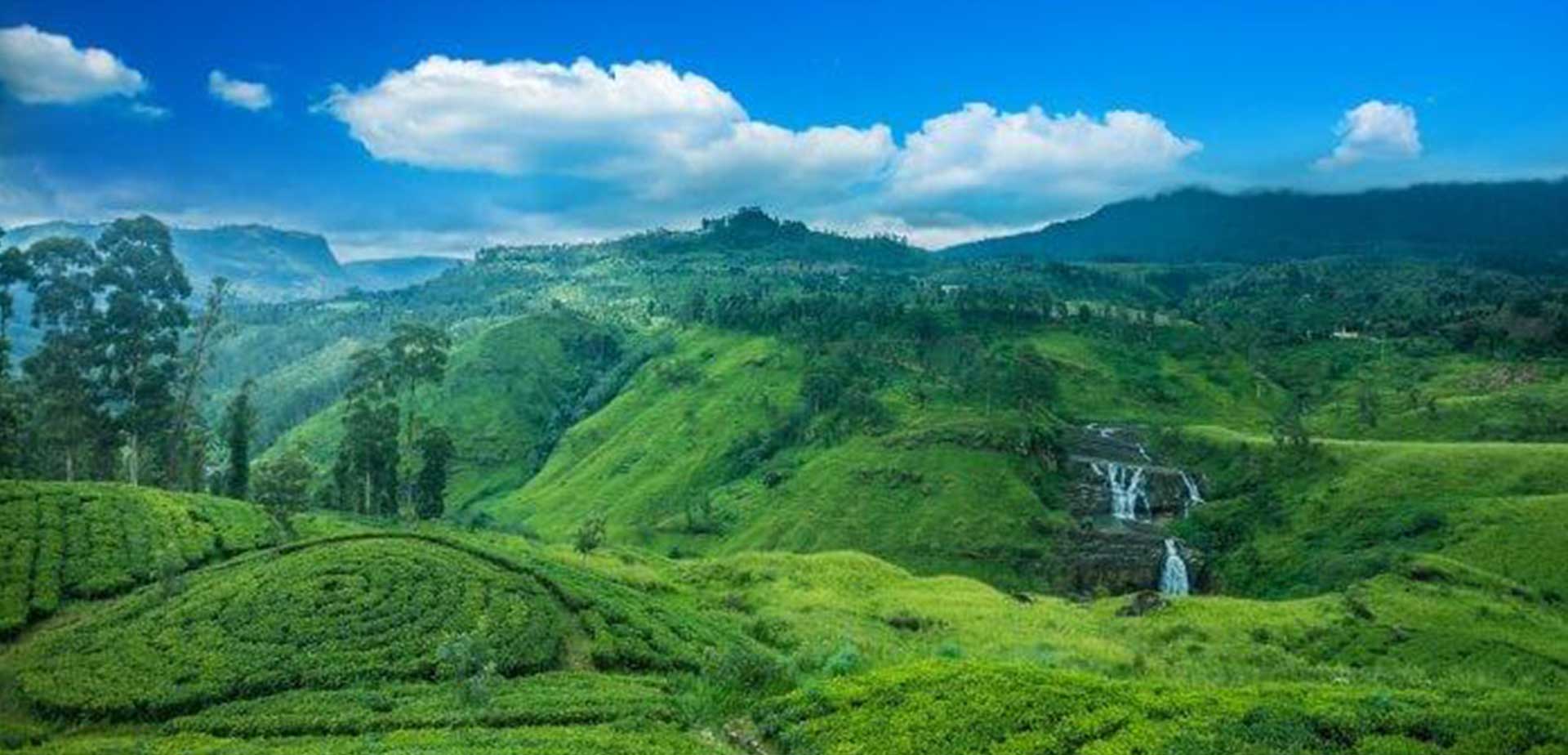
After a refreshing breakfast, we'll journey to Nuwara Eliya, often referred to as "Little England" due to its charming colonial architecture and cool climate. En route, we'll explore the majestic Ramboda Falls, cascading from a height of 109 meters, and visit a tea factory and plantation to learn about Sri Lanka's esteemed tea industry.
Our next destination is the Sri Baktha Hanuman Temple, steeped in mythological significance from the epic Ramayana. Upon reaching Nuwara Eliya, we'll embark on a city tour amidst picturesque mountains, valleys, and verdant tea estates. Highlights include the Seetha Amman Temple, associated with the captivity of Sita by King Ravana, offering a glimpse into ancient legends amidst breathtaking natural beauty.
Day 3 | Bentota
Following a delectable breakfast, we'll journey to Bentota, where we'll visit the renowned Kosgoda Turtle Hatchery, dedicated to the conservation of sea turtles. Established in 1988, this sanctuary has played a pivotal role in protecting and releasing millions of baby turtles into their natural habitat.
Next, we'll embark on a serene boat ride along the tranquil Madu Ganga River, surrounded by pristine mangrove forests and abundant wildlife. Our journey will include a visit to a Buddhist monastery on an island, providing insights into local culture and traditions. Immerse yourself in enchanting interactions with the local community, including witnessing traditional cinnamon production and prawn fishing.
Day 4 | Colombo
Today, we'll journey to Colombo, the vibrant capital city of Sri Lanka, renowned for its rich history, diverse culture, and bustling markets. Our exploration begins with a tour of Fort, the historic British administrative and military hub, followed by a stroll through the tree-lined avenues of Cinnamon Gardens.
Next, we'll immerse ourselves in the vibrant atmosphere of Pettah, Colombo's bustling commercial district, renowned for its eclectic mix of markets, temples, and colonial-era architecture. Our journey will also include visits to significant landmarks such as BMICH and Independence Square.
Conclude your day with a delightful shopping experience at Odel, offering an array of designer clothing and culinary delights. Prepare to indulge in a blend of history, culture, and modernity as we explore the vibrant streets of Colombo.
Day 5 | Departure from Colombo
After enjoying a hearty breakfast, we'll transfer you to Bandaranaike International Airport for your return flight. We sincerely hope you've enjoyed your memorable journey through Sri Lanka's cultural treasures and natural wonders. Until we meet again, we wish you safe travels and unforgettable memories.
FAQs
Do I need a visa to visit Sri Lanka?
Yes, most visitors to Sri Lanka require a visa. However, citizens of certain countries may be eligible for visa-free entry or can obtain a visa on arrival. It's recommended to check with the Sri Lankan embassy or consulate in your country for the most up-to-date visa requirements.
What is the best time to visit Sri Lanka?
The best time to visit Sri Lanka depends on the region you plan to visit and the activities you're interested in. Generally, the dry season, from December to March, is considered the best time to visit the west and south coasts as well as the hill country. The east coast is best visited from April to September.
Is it safe to travel to Sri Lanka?
Sri Lanka is generally a safe destination for tourists. However, like any other country, it's essential to exercise caution and be aware of your surroundings, especially in crowded areas and during public events. It's also advisable to stay updated on the current travel advisories before planning your trip.
What currency is used in Sri Lanka?
The official currency of Sri Lanka is the Sri Lankan Rupee (LKR). It's recommended to exchange currency at authorized exchange counters or banks to get the best rates. Credit and debit cards are widely accepted in major cities and tourist areas, but it's always good to carry some cash for smaller purchases and in more remote areas.
What are some must-try dishes in Sri Lanka?
Sri Lankan cuisine is diverse and flavorful, with influences from various cultures. Some must-try dishes include rice and curry (a selection of curries served with rice), hoppers (pancakes made from fermented rice flour), kottu roti (a stir-fry dish with shredded roti, vegetables, and meat), and seafood specialties like fish ambulthiyal (sour fish curry).
Are there any cultural customs or etiquette I should be aware of?
Yes, it's important to respect local customs and etiquette while in Sri Lanka. For example, dress modestly when visiting religious sites, remove your shoes before entering temples and homes, and always use your right hand for giving and receiving items. It's also customary to greet people with a smile and a nod of the head.
What are some popular souvenirs to buy in Sri Lanka?
Sri Lanka offers a wide range of unique souvenirs, including handcrafted items such as wooden masks, batik clothing, traditional spices, tea, gemstones, and intricate lacework. Be sure to purchase items from reputable sellers to ensure their authenticity and quality.
 View Photos






 06 Nights & 07 Days


