Itinerary: -
Day 1: Arrival in Srinagar and Local Sightseeing
Welcome to Srinagar, renowned as the "Lake City" of Kashmir. Upon arrival at Srinagar Airport, embark on your journey exploring the splendor of Kashmir. You will be warmly received and transferred to your hotel. Begin your city tour with a visit to the Shankracharya Temple, situated atop the highest hill of Srinagar. Delve into the historical significance of the temple before proceeding to the famous Mughal Gardens – Chashmashahi, Nishat, and Shalimar. These meticulously manicured gardens, envisioned as paradises by the Mughal Emperors, serve as popular picnic spots today. Take the opportunity to visit a local handicraft shop, where you can marvel at and purchase exquisite hand-crafted items such as shawls, jackets, carpets, and more. Conclude the day with a leisurely stroll alongside the enchanting Dal Lake, immersing yourself in the vibrant local markets. Enjoy a comfortable overnight stay at the hotel.
Day 2: Journey to Pahalgam
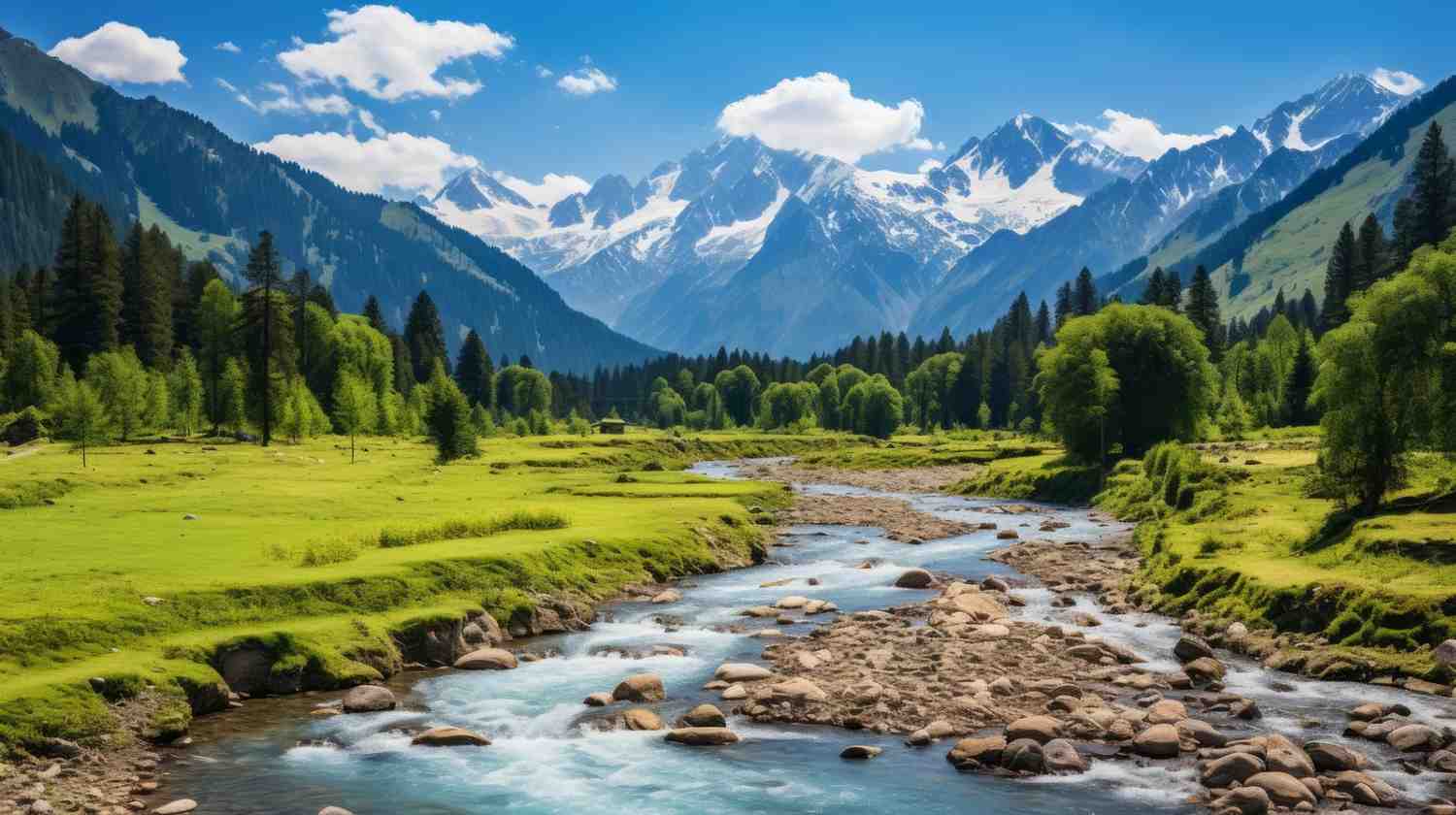
After a delightful breakfast, proceed towards Pahalgam, renowned as the "Valley of Shepherds". En route, visit the ancient Awantipura ruins, an 1100-year-old temple complex dedicated to Lord Vishnu. Upon arrival, immerse yourself in the natural beauty of Pahalgam or take a leisurely walk to Baisaran, a charming village nestled amidst pine and fir forests offering captivating views. Enjoy a comfortable overnight stay at the hotel in Pahalgam.
Day 3: Excursion to Gulmarg
Embark on a captivating journey to Gulmarg, known as the "Meadow of Flowers". Traverse the fascinating route from Srinagar to Gulmarg, enraptured by its natural beauty. Gulmarg, acclaimed globally for its skiing and snowboarding opportunities, served as a European hill resort during the British Raj. Discover the European ambiance and an 18-hole Golf Course amidst breathtaking surroundings. Opt for an exhilarating Gondola Cable Car Ride, the highest in the world and Asia's longest (at your own cost, book online). Capture timeless moments through photography, indulge in horse riding, and explore shopping options at this picturesque snow point. Enjoy a serene overnight stay at the hotel in Srinagar.
Day 4: Departure from Srinagar
After breakfast, relish the memories of your enchanting Kashmir tour as you're transferred to Srinagar Airport for your onward journey, carrying everlasting memories with you.
FAQs
Is it safe to travel to Kashmir?
The safety situation in Kashmir can vary due to political tensions and occasional incidents of unrest. It's essential to stay informed about the current situation before planning your trip. Generally, tourist areas like Srinagar, Gulmarg, and Pahalgam are considered safe for visitors.
What is the best time to visit Kashmir?
The best time to visit Kashmir is during the summer months from May to August when the weather is pleasant, and the flowers are in full bloom. Autumn (September to November) is also a beautiful time to visit when the valleys are adorned with vibrant hues of gold and red. However, winter (December to February) offers opportunities for snow-related activities like skiing and snowboarding.
Do I need a special permit to visit Kashmir?
Indian citizens do not require a permit to visit most parts of Kashmir, including Srinagar, Gulmarg, and Pahalgam. However, certain areas near the Line of Control (LoC) and the border with Pakistan may require permits or special permissions. Foreign tourists need to obtain a Protected Area Permit (PAP) to visit certain restricted areas in Kashmir.
What are the popular tourist destinations in Kashmir?
Some of the popular tourist destinations in Kashmir include Srinagar (Dal Lake, Mughal gardens), Gulmarg (skiing, Gondola ride), Pahalgam (Betaab Valley, Lidder River), Sonamarg (Thajiwas Glacier, Zoji La Pass), and Leh-Ladakh region (Pangong Lake, Nubra Valley).
What activities can I do in Kashmir?
Kashmir offers a wide range of activities for visitors, including shikara rides on Dal Lake, trekking in the Himalayas, skiing in Gulmarg, shopping for handicrafts and Kashmiri textiles, exploring Mughal gardens, and indulging in delicious Kashmiri cuisine.
What is the political situation in Kashmir?
Kashmir has been a subject of dispute between India and Pakistan for decades, leading to periodic tensions and occasional incidents of unrest. The region is administered by both India (Jammu and Kashmir) and Pakistan (Azad Jammu and Kashmir and Gilgit-Baltistan), with the Line of Control (LoC) dividing the two parts.
Can I buy Kashmiri handicrafts and textiles?
Yes, Kashmir is famous for its exquisite handicrafts, including Pashmina shawls, hand-woven carpets, embroidered textiles, papier-mâché artifacts, and wooden handicrafts. Visitors can purchase these items from local markets and government-approved handicraft emporiums.
Are there any health risks in Kashmir?
While Kashmir is generally safe for visitors, it's essential to take precautions regarding food and water hygiene to avoid gastrointestinal illnesses. Altitude sickness can also be a concern in higher elevations, so gradual acclimatization is recommended, especially when traveling to Leh-Ladakh region.
What is the transportation infrastructure like in Kashmir?
Kashmir is well-connected by air, road, and rail. Srinagar has a domestic airport with regular flights to major cities in India. The region also has a network of well-maintained roads, although travel times can be affected by weather conditions, particularly during winter. Additionally, the Jammu-Udhampur-Srinagar-Baramulla railway line provides train connectivity to the region.
Can I experience houseboat stays in Kashmir?
Yes, staying in a traditional houseboat on Dal Lake or Nigeen Lake is a unique and memorable experience in Kashmir. These houseboats offer comfortable accommodations with modern amenities and stunning views of the surrounding landscapes.
 View Photos



 04 Nights & 05 Days